Bariatric Surgery in Jaipur
Overview
Weight loss surgery is also known as bariatric and metabolic surgery. These terms are used in order to reflect the impact of these operations on patients’ weight and the health of their metabolism (breakdown of food into energy). In addition to their ability to treat obesity, these operations are very effective in treating diabetes, high blood pressure, sleep apnea and high cholesterol, among many other diseases. These operations also have an ability to prevent future health problems. The benefits allow patients with obesity who choose to undergo treatment to enjoy a better quality of life and a longer lifespan.
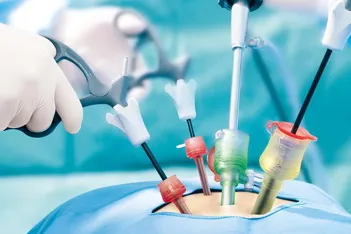
Today’s metabolic and bariatric operations have been refined over the course of many decades and are among the best studied treatments in modern medicine. They are performed with small incisions using minimally invasive surgical techniques (laparoscopic and robotic surgery). These advancements allow patients to have a better overall experience with less pain, fewer complications, shorter hospital stays and a faster recovery. These operations are extremely safe, with complication rates that are lower than common operations such as gallbladder removal, hysterectomy, and hip replacement.
The goal of these operations is to modify the stomach and intestines to treat obesity and related diseases. The operations may make the stomach smaller and also bypass a portion of the intestine. This results in less food intake and changes how the body absorbs food for energy resulting in decreased hunger and increased fullness. These procedures improve the body’s ability to achieve a healthy weight.
Why it's done
Bariatric surgery is done to help you lose extra weight and reduce your risk of possibly life-threatening weight-related health problems, including:
- Certain cancers, including breast, endometrial and prostate cancer
- Heart disease and stroke
- High blood pressure.
- High cholesterol levels.
- Nonalcoholic fatty liver disease (NAFLD) or nonalcoholic steatohepatitis (NASH).
- Sleep apnea.
- Type 2 diabetes.
Risk of Bariatric Surgery
As with any major procedure, bariatric surgery poses potential health risks, both in the short term and the long term.
- Excessive bleeding
- Infection
- Reactions to anesthesia.
- Blood clots
- Lung or breathing problems.
- Leaks in your gastrointestinal system.
- Rarely, death.
Looking For Bariatric Surgeon in Jaipur?
Book Your Appointment with Dr. S.K. Saini
Best Gastrointestinal Surgeon in Jaipur, serving for more than 14 years as proctologist and bariatric surgeon in Jaipur.
Contact UsTypes of bariatric surgery
Each type of bariatric surgery has pros and cons. Be sure to talk to your doctor about them. Here's a look at common types of bariatric surgery:
- Roux-en-Y (roo-en-wy) gastric bypass: This procedure is the most common method of gastric bypass. This surgery is typically not reversible. It works by decreasing the amount of food you can eat at one sitting and reducing absorption of fat and calories. The surgeon cuts across the top of the stomach, sealing it off from the rest of the stomach. The resulting pouch is about the size of a walnut and can hold only about an ounce of food. Typically, the stomach can hold about 3 pints of food.
- Sleeve gastrectomy: sleeve gastrectomy, about 80% of the stomach is removed, leaving a long, tube-like pouch. This smaller stomach can't hold as much food. It also produces less of the appetite-regulating hormone ghrelin, which may lessen the desire to eat. Advantages to this procedure include significant weight loss and no rerouting of the intestines. Sleeve gastrectomy also requires a shorter hospital stay than do most other procedures.
- Biliopancreatic diversion with duodenal switch (BPD/DS): This is a two-part surgery usually performed in one setting. The first step involves performing a sleeve gastrectomy. During the second step, the surgeon closes off the middle section of the intestine and attaches the last part directly to the first part of the small intestine, called the duodenum. This is the duodenal switch. The separated section of the intestine isn't removed from the body. Instead, it's reattached to the end of the intestine, allowing bile and pancreatic digestive juices to flow into this part of the intestine. This is the biliopancreatic diversion.
- Single-anastomosis duodeno-ileal bypass with sleeve gastrectomy (SADI-S): Like BPD/DS, the SADI-S procedure also has two steps, with the first step being a sleeve gastrectomy. During the second step of the SADI-S procedure, a section of the small intestine known as the duodenum is closed off just below the new stomach sleeve. This opening below the new stomach is then connected to a part of the lower small intestine called the ileum. This is the duodeno-ileal bypass. The bypass routes food through only about 10 feet of the small intestine, instead of the usual 25. This means there is less time and distance for the body to absorb fat and calories.
Treatment
- Medical therapy is not the most effective approach. Surgery is the most suitable treatment.
- Asymptomatic stone should be followed up regularly. Gall bladder stones (3 cm) require operation.
- ERCP is indicated for stones passed in CBD
When to Consult Doctor Suresh Kumar Saini
Seek immediate care if you develop signs and symptoms of a serious gallstone complication, such as:
- Abdominal pain so intense that you can't sit still or find a comfortable position
- Yellowing of your skin and the whites of your eyes (jaundice)
- High fever with chills
 Reviews